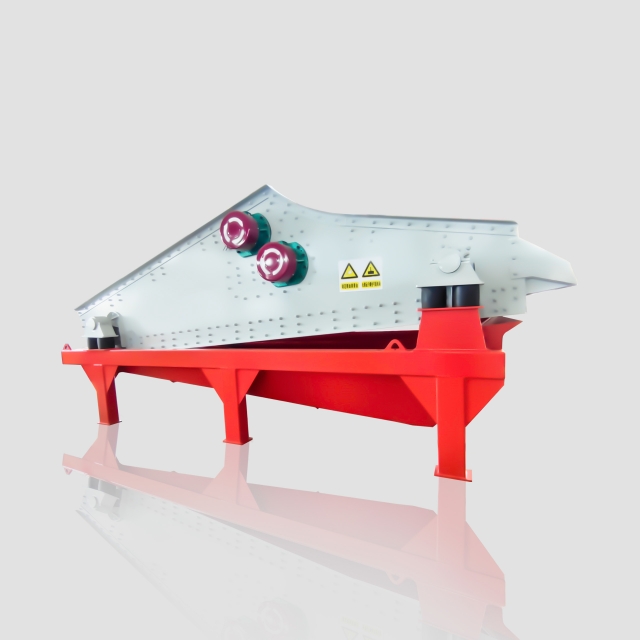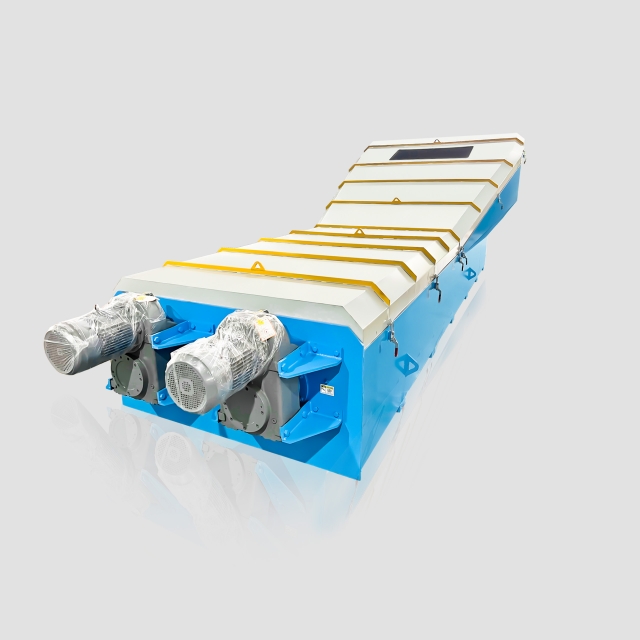
A dewatering screen plays an important role in reducing moisture content, improving material quality and increasing the efficiency of washing and recycling processes.
However, the performance of a vibrating dewatering screen is affected by many factors, including vibration parameters, screen selection, feeding conditions, material characteristics and equipment maintenance.
To achieve stable dewatering performance and lower operating costs, users need to optimize the entire working process instead of focusing on a single parameter.
Key Factors Affecting Dewatering Screen Efficiency
The efficiency of a dewatering screen mainly depends on five aspects:
- Vibration parameters
- Screen selection
- Material feeding conditions
- Equipment maintenance
- Intelligent control
Optimizing these factors helps improve water removal performance, reduce material loss and maintain stable production.
1. Optimize Vibration Parameters
The vibration system is one of the most important factors affecting dewatering performance.
Adjust Vibration Frequency
The vibration frequency determines how quickly materials move across the screen surface.
- Low frequency may reduce material movement and leave excessive moisture in the final product.
- Excessive frequency may increase equipment wear and reduce operating stability.
The ideal frequency should be adjusted according to:
- Material size
- Moisture content
- Processing capacity
For different applications, the working parameters should be tested and optimized to achieve the best balance between dewatering efficiency and equipment life.
Adjust Vibration Amplitude
Amplitude affects the movement trajectory and residence time of materials on the screen.
- Large amplitude is suitable for materials with larger particles or higher moisture content.
- Smaller amplitude can help maintain stable separation for fine materials.
A proper amplitude allows materials to spread evenly across the screen surface, improving water removal performance.

2. Select the Right Screen Plate
The screen surface directly affects screening efficiency, wear resistance and maintenance frequency.
Choose Suitable Screen Material
▶ Polyurethane Screen Plate
Polyurethane screens provide:
- Excellent wear resistance
- Good elasticity
- Long service life
- Suitable performance for fine and abrasive materials
They are commonly used in applications requiring stable long-term operation.
▶ Stainless Steel Screen
Stainless steel screens are suitable for:
- Wet materials
- Corrosive environments
- Applications requiring higher durability
▶ Woven Wire Screen
Woven screens are commonly used for:
- Larger particle materials
- Applications requiring lower initial investment
Select the Proper Aperture Size
The screen opening size must match the material characteristics.
- Oversized openings may reduce separation accuracy.
- Too small openings may cause blockage and reduce processing capacity.
The optimal aperture depends on:
- Feed particle size
- Required product quality
- Moisture conditions
Proper screen selection helps maintain both efficient screening and effective dewatering.

3. Improve Material Feeding Conditions
Even the best dewatering screen cannot perform efficiently with unstable feeding.
▶ Maintain Uniform Material Distribution
Uneven feeding may cause:
- Screen surface overload
- Reduced effective screening area
- Lower dewatering efficiency
A stable feeding system helps distribute material evenly across the screen surface and improves overall performance.
▶ Control Material Flow Rate
Both overfeeding and underfeeding can affect efficiency.
- Excessive feed rate may overload the screen.
- Insufficient feeding reduces equipment utilization.
The feed rate should be matched with:
- Equipment capacity
- Material characteristics
- Production requirements
▶ Manage Material Moisture
High moisture materials are more difficult to dewater and may increase:
- Screen blockage
- Material adhesion
- Processing difficulty
Suitable pre-treatment or material handling methods can improve dewatering performance before materials enter the screen.

4. Regular Maintenance for Stable Performance
Regular maintenance is essential for maintaining long-term efficiency.
▷ Screen Cleaning and Inspection
Material accumulation or blockage can significantly reduce dewatering performance.
Regular inspection helps:
- Prevent screen clogging
- Reduce wear
- Maintain stable output quality
▷ Maintain Vibrating Motors
The vibrating motor directly affects equipment operation.
Recommended maintenance includes:
- Checking lubrication conditions
- Inspecting motor components
- Checking eccentric block conditions
- Tightening loose parts
Proper maintenance helps avoid unexpected downtime.
▷ Check Supporting Components
Components such as springs and damping systems affect vibration stability.
Damaged or aged components may reduce vibration performance and increase mechanical stress.
Regular inspection and replacement help maintain stable operation.
5. Improve Efficiency Through Automation Control
Modern recycling and aggregate processing plants increasingly use intelligent control systems to improve equipment performance.
A PLC-based control system can monitor:
- Equipment operating status
- Material flow
- Vibration parameters
- Production conditions
Automation helps operators adjust working conditions quickly and maintain the dewatering screen in an optimal operating state.
It can also improve coordination between the dewatering screen and other equipment, such as:
- Sand washing machines
- Conveyors
- Screening systems
Practical Tips to Maximize Dewatering Screen Performance
To achieve better results, operators should focus on:
| Optimization Area | Improvement Method |
|---|---|
| Vibration | Adjust frequency and amplitude according to materials |
| Screen Panel | Select suitable material and aperture |
| Feeding | Maintain stable and uniform distribution |
| Maintenance | Inspect screens, motors and damping parts regularly |
| Automation | Monitor and optimize operating parameters |
Why Dewatering Screen Efficiency Matters
Improving dewatering screen efficiency is not only about removing more water.
A well-optimized dewatering system can provide:
- Lower transportation costs
- Better final product quality
- Reduced material loss
- Higher production efficiency
- More stable operation
For applications such as sand washing, aggregate processing, wastewater treatment and recycling, efficient dewatering directly affects the overall profitability of the production line.
Conclusion
Improving dewatering screen efficiency requires a combination of proper equipment adjustment, suitable screen selection, stable feeding and regular maintenance.
By optimizing the complete operating process, users can achieve better dewatering performance, lower operating costs and more consistent product quality.
FAQ
What affects dewatering screen efficiency?
The main factors include vibration parameters, screen selection, feed conditions, material moisture and equipment maintenance.
How can I improve the performance of a vibrating dewatering screen?
Performance can be improved by optimizing vibration settings, selecting the correct screen panel, maintaining stable feeding and using proper maintenance practices.
What type of screen is best for a dewatering screen?
The best screen depends on material characteristics. Polyurethane screens are commonly used for wear resistance, while stainless steel screens are suitable for wet or corrosive applications.