IBA recycling can recover valuable iron, aluminum, copper, steel and other resources from incineration bottom ash. However, variable feed composition, metal entrapment, fine particles, moisture and equipment wear can make efficient recovery difficult.
A successful IBA recycling system must therefore do more than separate metals. It needs to control material preparation, particle size, separation conditions and product quality throughout the process.
What Are the Main Challenges in IBA Recycling?
IBA processing is different from conventional metal scrap recycling because the feed material contains both valuable metals and a large amount of ash, glass, ceramics and mineral particles.
The main challenges can be summarized into four areas:
- Poor metal liberation and unstable feed
- Fine metal loss
- Moisture, blockage and equipment wear
- Low-quality recovered aggregate

1. Unstable Feed and Poor Metal Liberation
IBA is not a uniform material. Its moisture content, particle size and metal composition can vary depending on the waste source and incineration conditions.
Large ash agglomerates may also contain metals trapped inside or attached to their surfaces. If these metals are not sufficiently exposed, downstream separators cannot recover them efficiently.
Solution: Improve Liberation Before Separation
The first objective should be to create better conditions for metal recovery.
Depending on the material, the process may include:
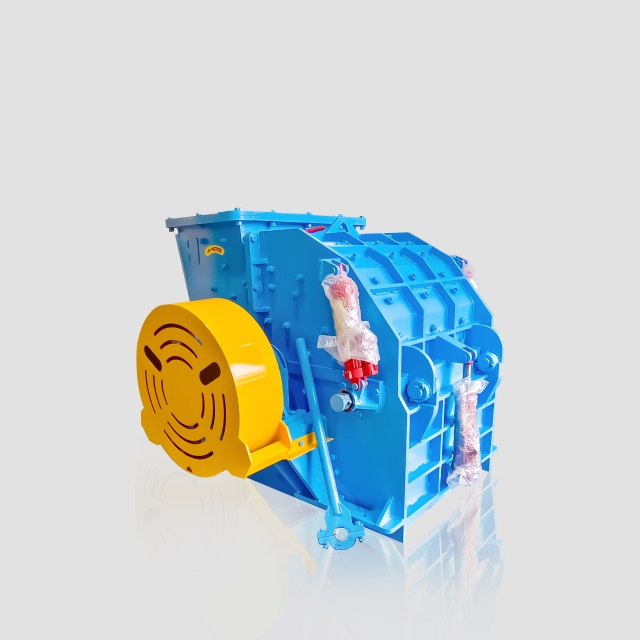
- Breaking large ash agglomerates
- Removing attached ash
- Controlling feed size
- Screening materials into suitable size fractions
- Stabilizing the feed rate
The principle is simple:
Release the metal before trying to separate it.
Better liberation allows magnetic and eddy current separation equipment to work more consistently without unnecessary over-crushing.
2. Fine Metal Loss
Fine fractions are one of the most difficult parts of IBA metal recovery.
Small aluminum pieces, copper fragments and other fine metallic particles can become mixed with ash and mineral fines. Their small size, shape and weight can make separation more difficult than with larger metal pieces.
This is why some plants achieve good recovery from coarse material but still lose valuable metals in fine fractions.
Solution: Treat Fine Fractions Separately
Instead of processing all particle sizes through the same separation stage, fine materials should be classified and treated according to their characteristics.
Possible solutions include:
- Fine screening
- Fine-particle eddy current separation
- Additional density-based separation for suitable materials
- Secondary recovery of valuable intermediate fractions
The objective is to create additional recovery opportunities rather than relying on a single separation step.

3. Moisture, Blockage and Equipment Wear
Moisture is another important consideration in IBA processing.
Wet or sticky bottom ash can adhere to conveyor belts, screens and other equipment, while oversized materials can create blockages. At the same time, glass, ceramics and other abrasive particles can accelerate wear on belts, screens and machine components.
These problems can reduce operating stability and increase maintenance requirements.
Solution: Design for Difficult Operating Conditions
An IBA recycling system should be designed around the actual characteristics of the feed material.
Depending on the application, this may include:
- Anti-blockage feeding and crushing design
- Wear-resistant components
- Proper material flow control
- Pre-removal of ferrous metals where appropriate
- Easy-access structures for cleaning and maintenance
The goal is not only higher recovery but also stable long-term operation.
4. Low-Quality Recovered Aggregate
Metal recovery is only one part of IBA resource utilization.
After valuable metals are removed, the remaining mineral fraction may still contain fine ash and unwanted contaminants. If this material does not meet the required quality standards, its commercial value can be limited.
Solution: Improve Aggregate Quality
For suitable projects, additional washing, dewatering and classification can be introduced after metal recovery.
These processes can help:
- Remove fine ash and unwanted particles
- Improve aggregate cleanliness
- Separate different material fractions
- Reduce residual contaminants
- Produce more consistent recycled aggregate

Water treatment and recycling should also be considered when a wet processing system is used.
IBA Challenge → Practical Solution
| IBA Challenge | Practical Solution |
|---|---|
| Large ash agglomerates | Crushing and liberation |
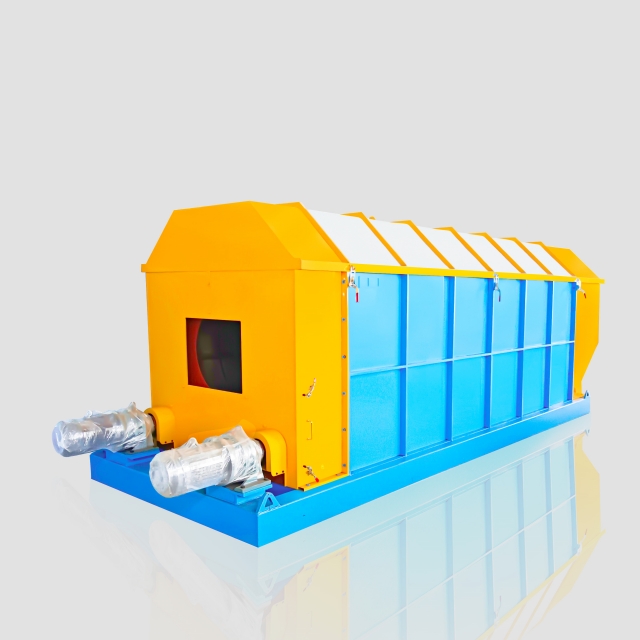
| Mixed particle sizes | Screening and classification |
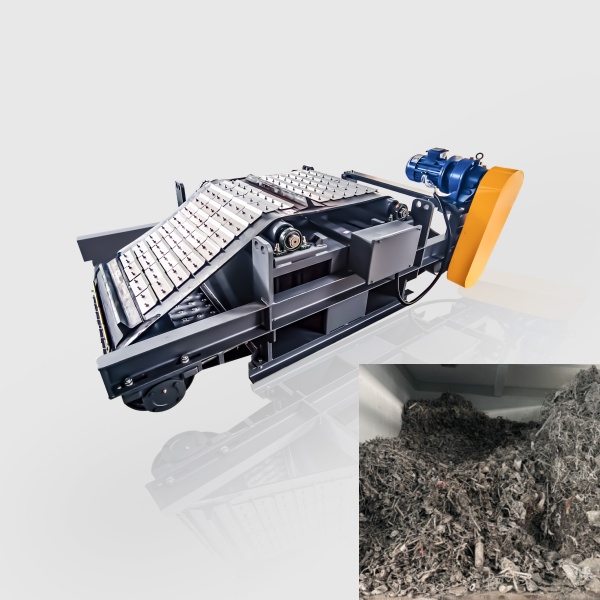
| Ferrous metal contamination | Magnetic separation |
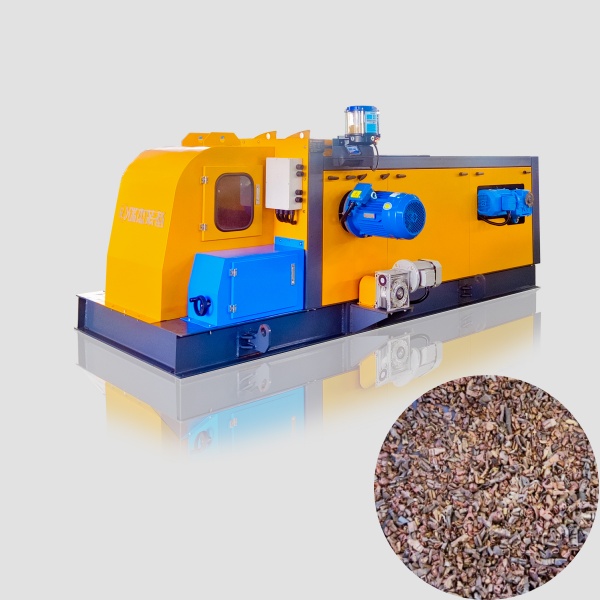
| Non-ferrous metal loss | Eddy current separation |
| Fine metal loss | Fine separation and additional recovery |
| Wet and sticky material | Anti-blockage design and controlled feeding |
| Low aggregate quality | Washing, classification and dewatering |
Why a Complete IBA Recycling System Matters
No single machine can solve every IBA recycling challenge.
Magnetic separators are effective for ferrous metals, while eddy current separators are used for conductive non-ferrous metals such as aluminum and copper. Screening controls particle size, while additional processing can improve fine recovery or aggregate quality.
The real performance of an IBA recycling plant therefore depends on how these technologies work together.
A typical system may include:
Feeding → Liberation → Screening → Magnetic Separation → Eddy Current Separation → Fine Recovery → Washing / Dewatering
However, the actual configuration should be determined by the material composition, particle-size distribution, moisture, target recovery and final product requirements.

RUIJIE Solutions for IBA Recycling
RUIJIE provides equipment and complete process solutions for complex solid waste and IBA recycling applications.
Depending on the material characteristics and project requirements, the system can integrate crushing, screening, magnetic separation, eddy current separation, gravity separation, washing and dewatering technologies.
Instead of applying the same configuration to every project, RUIJIE focuses on matching equipment with the characteristics of the customer’s material and the required recovery objectives.
This approach helps recycling operators improve metal recovery, reduce material loss and develop more valuable end products.