Gravity separation vs magnetic separation is an important consideration when designing a metal recovery or mineral processing system. Although both methods are used to separate valuable materials, they work according to completely different physical principles.
Gravity separation separates materials based on density differences, while magnetic separation uses differences in magnetic properties. Choosing the right method depends mainly on the material characteristics, target metals, particle size and recovery requirements.
Understanding these differences can help operators select more suitable separation equipment and avoid unnecessary processing costs.
What Is Gravity Separation?
Gravity separation is a physical separation method that uses differences in material density. When particles are subjected to water flow, vibration or other gravitational forces, heavier particles behave differently from lighter particles.
How Gravity Separation Works
In a gravity separation process, materials are typically classified and exposed to a controlled flow or pulsating force. Dense particles tend to concentrate separately from lighter particles.
Common gravity separation equipment includes:
- Jig machines
- Shaking tables
- Spiral chutes

Where Gravity Separation Works Best
Gravity separation is particularly suitable for recovering dense valuable particles, such as gold, tin, tungsten and other heavy minerals.
Its performance depends strongly on the density difference between the target material and the surrounding waste. Particle size, feed concentration and material liberation can also affect the final recovery result.
What Is Magnetic Separation?
Magnetic separation uses differences in the magnetic properties of materials to separate magnetic materials from non-magnetic materials.
How Magnetic Separation Works
When material passes through a magnetic field, magnetic particles are attracted or redirected while non-magnetic particles continue along a different path.
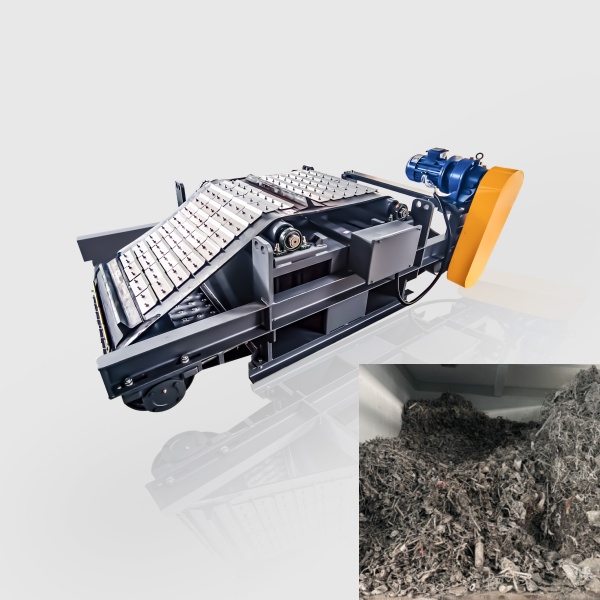
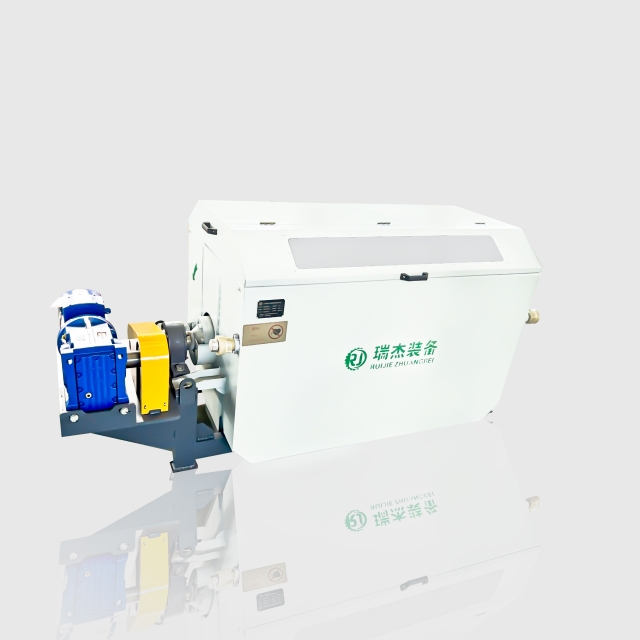
Common magnetic separation equipment includes:
- Electromagnetic Overband separators
- Suspended Permanent magnetic drums
- Wet drum magnetic separators
- Magnetic pulley separators

Where Magnetic Separation Works Best
Magnetic separation is widely used for ferrous metal recovery and removal, including iron and steel from mineral processing, slag, incineration bottom ash (IBA), construction waste and other waste streams.
However, a magnetic separator is not designed to recover ordinary non-magnetic metals such as aluminum or copper.
Gravity Separation vs Magnetic Separation: Key Differences
The main difference in gravity separation vs magnetic separation is the physical property used for separation.
| Factor | Gravity Separation | Magnetic Separation |
|---|---|---|
| Separation principle | Density difference | Magnetic properties |
| Main target | Dense valuable particles | Ferrous metals |
| Typical materials | Gold, tin, tungsten, heavy minerals | Iron, steel, ferrous scrap |
| Common equipment | Jig machine, shaking table | Electromagnetic overband separator, Permanent magnetic separator,drum type magnetic separator |
| Water requirement | Often uses water | Usually dry, with wet options available |
| Main purpose | Recover dense materials | Remove or recover ferrous metals |
| Key limitation | Requires sufficient density difference | Cannot normally recover non-magnetic metals |
Therefore, neither method is universally better. The right choice depends on what needs to be recovered from the material.

Which Separation Method Should You Choose?
Choose Gravity Separation When
Gravity separation may be a better option when:
- The target material has a significant density difference from the waste.
- You need to recover heavy minerals or dense particles.
- The material is suitable for gravity concentration.
- Fine or coarse dense particles need to be separated according to the process design.
For example, a jig machine can be used to recover dense valuable particles from suitable mineral or waste streams.
Choose Magnetic Separation When
Magnetic separation is more appropriate when:
- Ferrous metals are the main recovery target.
- Iron or steel needs to be removed from a waste stream.
- The feed contains magnetic materials mixed with non-magnetic materials.
- A continuous ferrous separation stage is required.
Magnetic separation is often used as an early or intermediate step to remove ferrous metals before other separation technologies are applied.
Can Gravity and Magnetic Separation Be Used Together?
Yes. Gravity separation and magnetic separation can complement each other because they separate materials according to different physical properties.
For example, a recycling or mineral processing system may first use magnetic separation to remove ferrous materials and then use gravity separation to recover dense valuable particles.
A simplified process can be:
Material Preparation → Magnetic Separation → Gravity Separation
The actual configuration should be determined according to the material composition, particle size distribution, moisture and target recovery requirements.
Using multiple separation technologies can be more effective than expecting one machine to recover every valuable fraction.
Common Applications of Gravity and Magnetic Separation
Mineral Processing
H3
In mineral processing, magnetic separation can remove magnetic minerals or iron-bearing materials, while gravity separation can concentrate dense minerals.
The two technologies may therefore perform different roles within the same processing plant.
IBA and Slag Recycling
For incineration bottom ash and slag recycling, magnetic separation is commonly used to recover ferrous metals such as iron and steel.
Gravity separation can then be considered for suitable dense particles when the material characteristics provide enough density difference for effective separation.
The exact process depends on particle size, moisture, liberation and the composition of the feed material.

Common Mistakes When Selecting a Separation Method
Trying to Recover Non-Magnetic Metals With a Magnetic Separator
Copper and aluminum are generally non-magnetic, so a conventional magnetic separator is not the right technology for their direct recovery.
Other technologies, such as eddy current separation, may be more suitable for non-ferrous metal recovery.
Using Gravity Separation Without Enough Density Difference
Gravity separation requires a useful difference in density between the target and unwanted materials. If the density difference is too small, separation efficiency may be limited.
Choosing Equipment Before Testing the Material
Equipment selection should not be based only on the name of the material.
Important factors include:
- Material composition
- Particle size
- Moisture content
- Degree of liberation
- Target metal
- Required recovery and purity
Material testing can help determine whether gravity separation, magnetic separation or a combination of technologies is more appropriate.
Conclusion
Gravity separation vs magnetic separation is not simply a choice between two competing technologies. They solve different separation problems.
Magnetic separation is mainly suited to ferrous metal recovery, while gravity separation is designed for materials that can be differentiated by density. In many recycling and mineral processing applications, the two methods can also work together.
The most effective approach is to start with the material characteristics and recovery target, then select the separation technology that matches the actual process requirements.
Frequently Asked Questions
What is the difference between gravity separation and magnetic separation?
Gravity separation uses density differences, while magnetic separation uses differences in magnetic properties.
Can magnetic separation recover copper?
A conventional magnetic separator is generally not suitable for directly recovering copper because copper is non-magnetic. Other non-ferrous separation technologies may be required.
Is gravity separation better than magnetic separation?
Neither method is universally better. Gravity separation is suitable for dense materials, while magnetic separation is mainly used for magnetic and ferrous materials.
Can gravity and magnetic separation be used together?
Yes. They can be combined when the material contains both ferrous metals and dense valuable particles that require different separation methods.